





In modern window manufacturing, precision and speed are critical. Manual screw tightening not only slows down production but also affects assembly consistency.
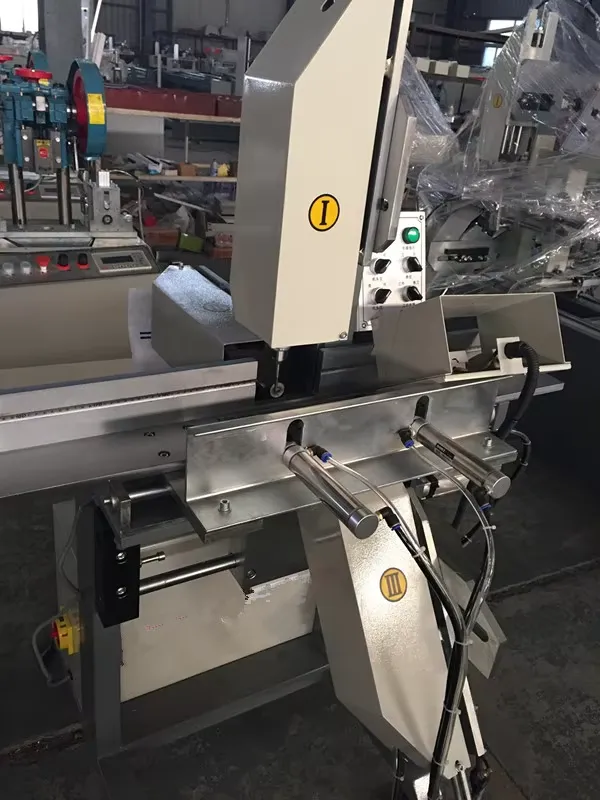
An automatic screw fastening machine with automatic clamping is designed to improve efficiency, reduce labor intensity, and ensure stable fastening quality in window frame production.
This article explains how automatic clamping systems work, why they improve assembly efficiency, and how to choose the right machine for your factory.
Why Window Manufacturers Are Upgrading to Automatic Fastening Systems
Traditional manual fastening has several limitations:
- Inconsistent tightening torque
- Operator fatigue
- Slower production cycles
- Higher labor costs
- Risk of frame misalignment
Automated screw fastening machines solve these issues by combining torque control and automatic clamping in one integrated system.
How Automatic Clamping Improves Assembly Accuracy
The automatic clamping mechanism holds the window profile firmly in position before and during screw fastening.
Key Benefits:
- Prevents material shifting
- Ensures consistent screw depth
- Improves frame squareness
- Reduces rework rate
- Enhances production repeatability
By stabilizing the workpiece, the machine guarantees precision fastening even during high-speed operation.
Core Features of a High-Performance Screw Fastening Machine
When selecting equipment for window assembly, look for:
1. Adjustable Clamping System
Allows adaptation to different window frame sizes.
2. Precise Torque Control
Ensures uniform screw tightening without over-tightening or stripping.
3. Automatic Screw Feeding
Improves speed and eliminates manual handling.
4. PLC Control Interface
Enables parameter customization and process monitoring.
5. Safety Protection Design
Includes emergency stop and protective covers for operator safety.
Productivity Comparison: Manual vs Automatic Fastening
| Feature | Manual Fastening | Automatic Fastening |
|---|---|---|
| Speed | Slow | High |
| Torque Consistency | Variable | Stable |
| Labor Requirement | High | Low |
| Error Rate | Higher | Lower |
| Production Output | Limited | Scalable |
Factories upgrading to automatic systems often report 20–40% efficiency improvement.
Applications in Window Manufacturing
Automatic screw fastening machines are widely used for:
- Aluminum window frame assembly
- PVC window corner reinforcement
- Profile connection fastening
- Curtain wall frame assembly
The automatic clamping function is especially useful for large or heavy profiles.
How to Choose the Right Machine for Your Production Line
Before purchasing, evaluate:
- Daily production volume
- Frame material type (Aluminum / PVC)
- Required screw size
- Available workshop space
- Level of automation integration
For large-scale factories, fully automated fastening workstations are recommended. Smaller manufacturers may prefer semi-automatic models.
Maintenance Tips for Long-Term Performance
To ensure stable performance:
- Clean screw feeding system regularly
- Check clamping pressure weekly
- Inspect torque calibration monthly
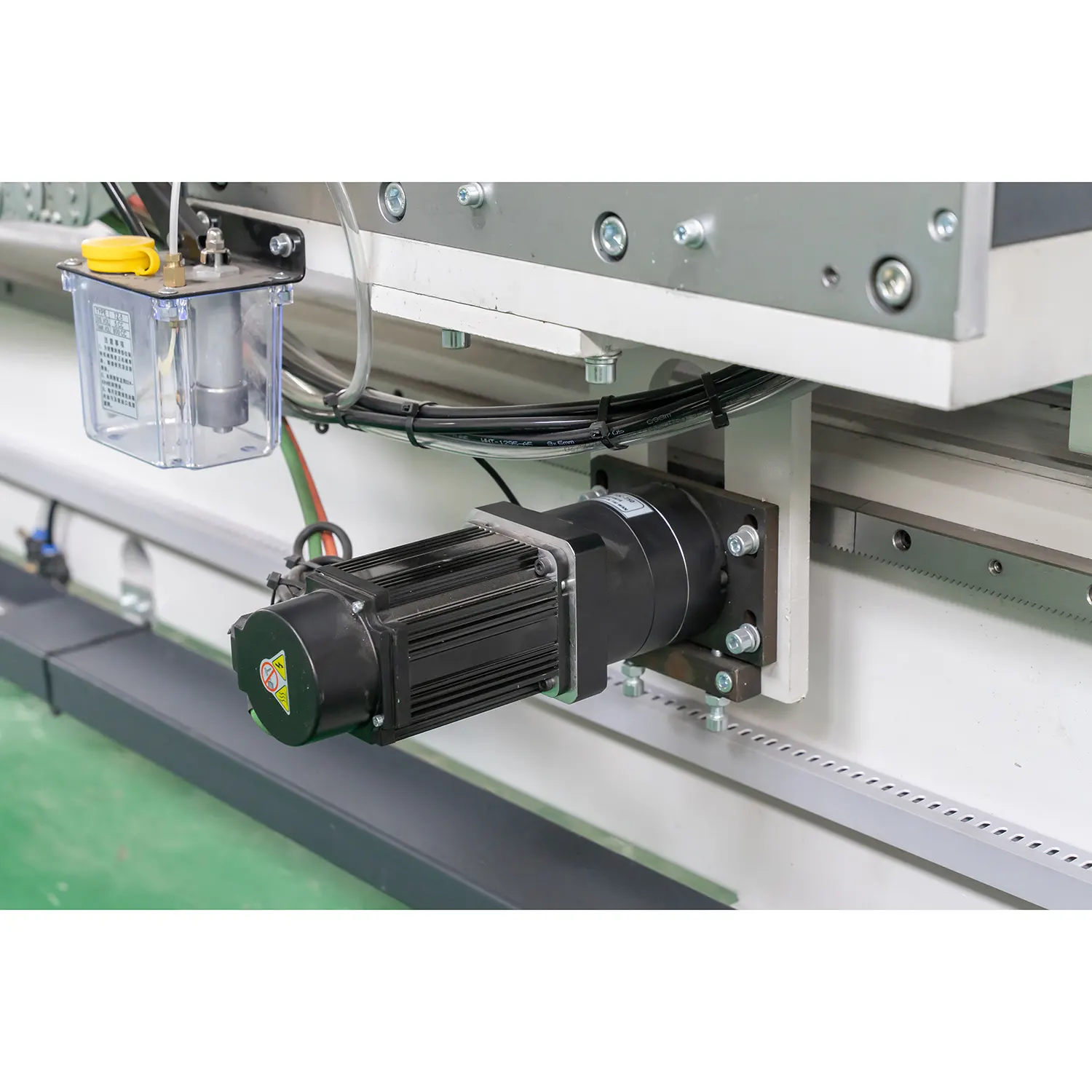
- Lubricate moving components properly
Routine maintenance extends machine lifespan and reduces downtime.
Frequently Asked Questions
What is the advantage of automatic clamping in window assembly?
Automatic clamping stabilizes the frame before tightening, ensuring consistent alignment and reducing human error.
Can the machine handle different window sizes?
Yes, most modern models include adjustable clamping systems to accommodate various profile dimensions.
Does automatic screw fastening reduce labor costs?
Yes. One operator can manage multiple machines, significantly reducing manpower requirements.
Conclusion
An automatic screw fastening machine with automatic clamping is a smart investment for window manufacturers seeking higher efficiency, consistent fastening quality, and lower labor costs.
Upgrading to automated window assembly equipment not only increases production output but also improves long-term operational stability.
For detailed specifications and machine recommendations, consult a professional equipment supplier based on your production needs.